
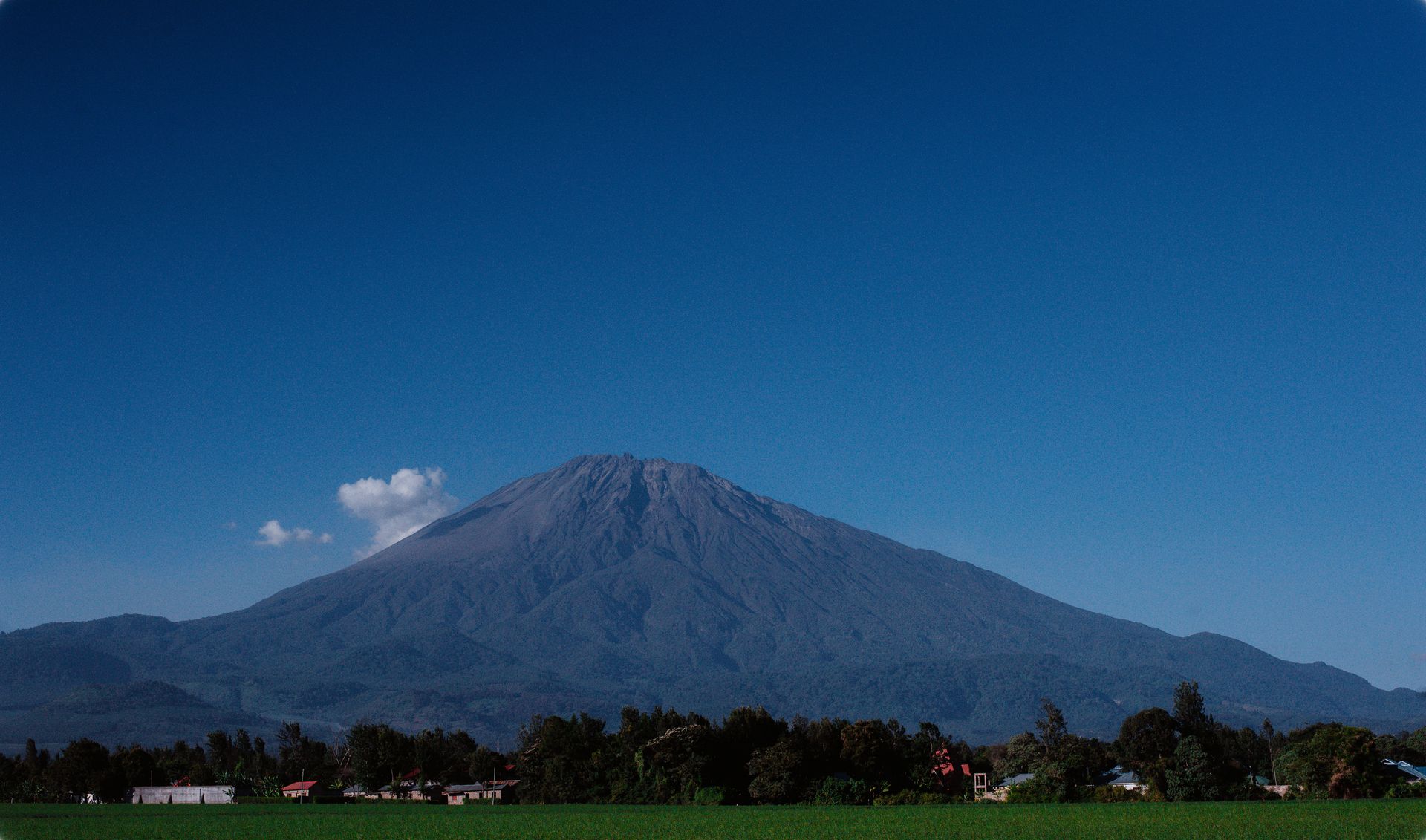
Nestled at the dramatic base of Mount Meru, Arusha is widely celebrated as the safari capital of Tanzania. While most travelers use this bustling, vibrant city merely as a launchpad for the legendary Serengeti National Park or the Ngorongoro Crater, the city itself offers an incredible array of landscapes, culture, and wildlife.
Whether you are spending a few days before a big expedition or looking for an immersive cultural holiday, here are the top 10 things to do in Arusha.
Just a 45-minute drive from the city center, Arusha National Park packs an immense variety of landscapes into a compact space.
What to see: Explore the emerald-green Ngurdoto Crater (often called “Little Ngorongoro”), the sparkling Momella Lakes frequented by pink flamingos, and sweeping views of Mount Meru. You’ll frequently spot giraffes, zebras, blue monkeys, and warthogs.
Unique feature: Unlike many other Tanzanian parks, Arusha National Park allows guided walking safaris accompanied by an armed ranger, giving you a remarkably intimate perspective of the African bush.
Arusha sits within one of East Africa’s prime agricultural hubs, benefiting from rich volcanic soil that produces world-class Arabica coffee.
The experience: Take a guided tour through a family-owned coffee farm to follow the journey of your morning brew. You will pick coffee cherries, learn about the pulping and roasting process, and—best of all—enjoy a fresh cup right at the source.
Standing at 4,562 meters (14,967 feet), Mount Meru is Tanzania’s second-highest peak (and Africa’s fifth-highest).
Why do it: While often overshadowed by its massive neighbor, Mount Kilimanjaro (located about 50 miles away), Meru offers a stunning, rugged climb through lush forests and alpine deserts. It is also commonly used as an acclimatization trek before tackling Kilimanjaro, offering rich wildlife viewing opportunities along the lower slopes.
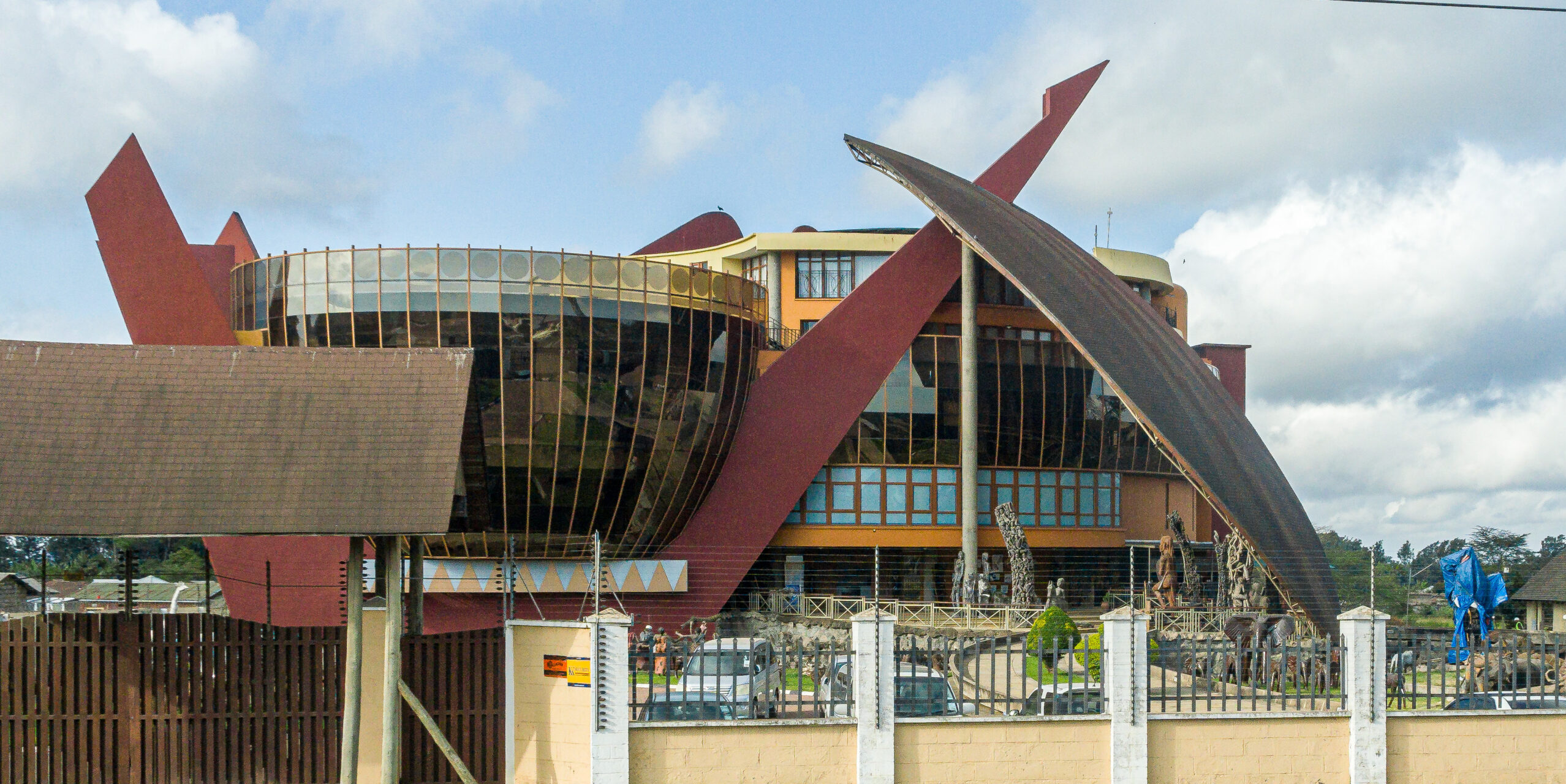
Located just outside the city center, the Cultural Heritage Centre is a striking multi-level complex dedicated to preserving and showcasing African art, history, and craftsmanship.
What to see: The facility features massive galleries filled with traditional tribal masks, historical artifacts, fine art, and precious gemstones like Tanzanite. It is widely considered one of the best places in the region to shop for high-quality, authentic souvenirs and sculptures.
To experience the pulse of daily life in Arusha, head straight to the Central Market downtown.
What to expect: A maze of vibrant stalls brimming with tropical fruits, vegetables, towering sacks of aromatic spices, and hand-woven fabrics. It’s loud, colorful, and an amazing opportunity to practice your Swahili greeting (Jambo!) and test out your bargaining skills.
If you are looking for specific handicrafts, beadwork, and jewelry, visit the dedicated Maasai Market.
Highlights: Local artisans sell intricately beaded necklaces, traditional shúkà blankets, leather sandals, and carved wooden wildlife figures. Buying directly from the market supports local cooperative craftsmen and women.
Situated just a short drive east of the city, Lake Duluti is a peaceful crater lake nestled within a steep forest caldera.
Activities: The lake is a haven for birdwatchers (home to over 130 bird species, including giant kingfishers and fish eagles). You can rent a canoe to paddle across the calm water or enjoy a guided nature walk along the heavily wooded shoreline.
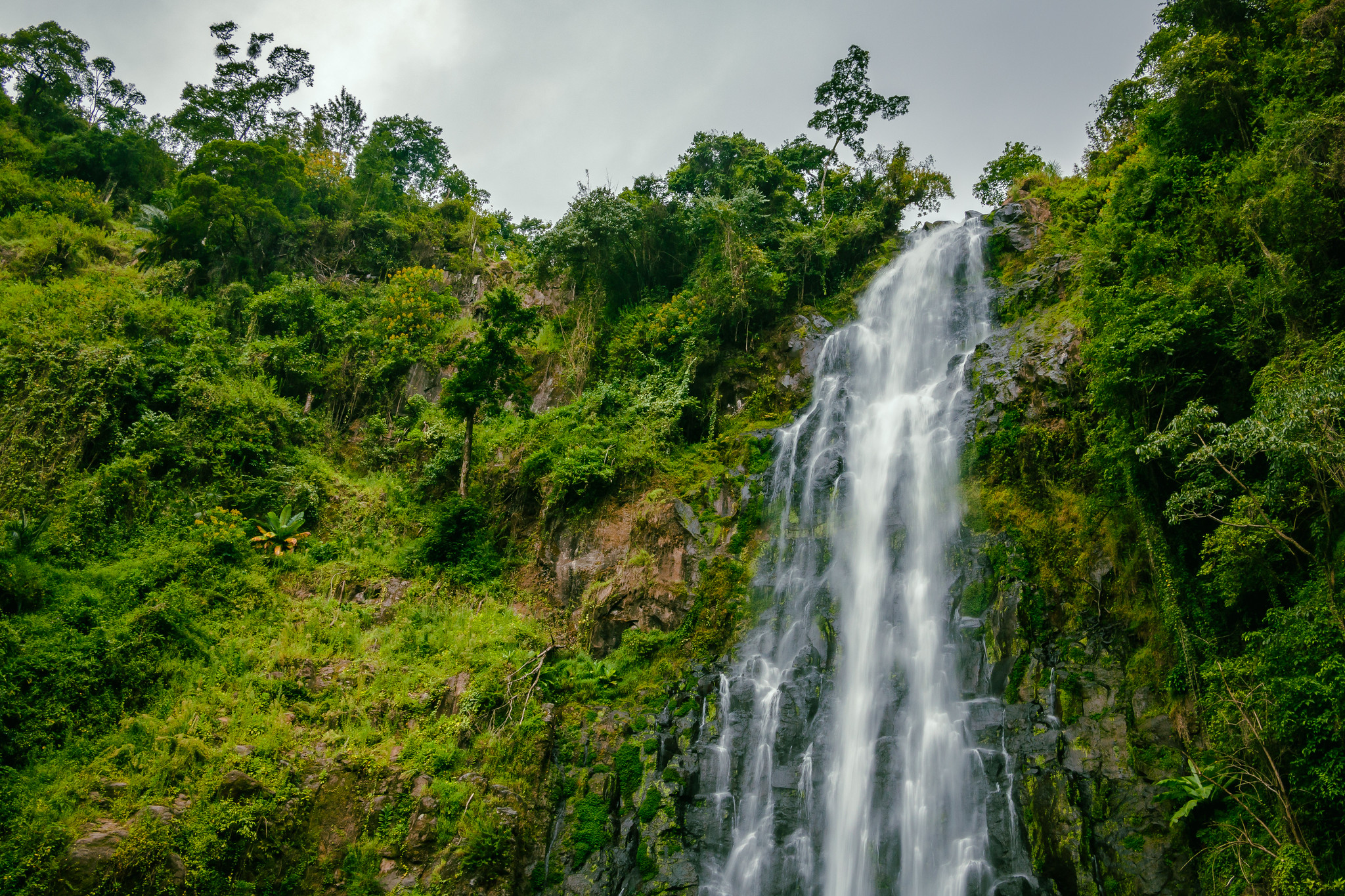
Located slightly closer to neighboring Moshi but easily accessible from Arusha as a day excursion, this is the ultimate nature combo:
Materuni Waterfall: A scenic 40-minute hike through banana and coffee farms leads to an 80-meter-high waterfall plunging into a crisp, refreshing natural pool.
Chemka (Kikuletwa) Hot Springs: A magical desert oasis featuring crystal-clear, mineral-rich turquoise waters warmed by underground geothermal streams, shaded by sprawling fig trees.
Located a short drive west of Arusha along the Dodoma road, the Meserani Snake Park makes for an interesting afternoon stop, particularly for families.
Highlights: See a massive collection of reptiles, including giant pythons, puff adders, and crocodiles. The facility also features an attached Maasai cultural museum, a craft market, and a community snake-bite clinic.
To gain a deeper understanding of the region’s indigenous heritage, visit an authentic Maasai boma (village) like Olpopongi.
The experience: Learn firsthand about pastoralist traditions, see traditional manyatta mud huts, listen to storytelling, and witness the iconic jumping dance (adumu). It offers an immersive, respectful look into how the Maasai coexist with the surrounding landscape.
Arusha is far more than just a gateway terminal; it is a cultural melting pot where urban life meets wild natural beauty. Taking a couple of days to explore its markets, coffee farms, and nearby parks will profoundly enrich your Tanzanian adventure before you ever step foot on the savannah.